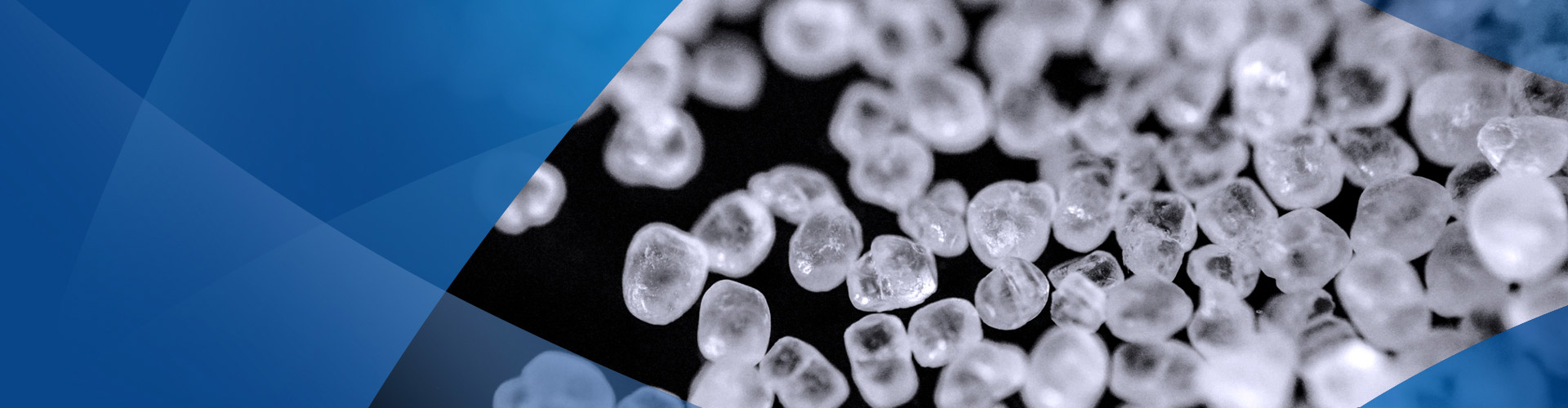
M-Phthalodinitrile, also known by its HS Code 2926909090, stands as a cornerstone intermediate in specialty chemicals. In simplest terms, it’s a raw material with steady demand across pigments, pharmaceuticals, and electronics. Cas Number 626-17-5, structural formula C8H4N2, and a molecular weight that clocks in at 128.13 g/mol—these technicals matter to safety, compliance, and quality control teams.
In industrial form, this compound shows up as an odorless, pale yellow powder. Standard purity exceeds 99%. Specific density sits near 1.24 g/cm³. Moisture levels below 0.3% meet most application specs. Solubility checks out for DMF and DMSO. For hazardous classification: keep in mind the MSDS, which flags it as harmful if swallowed or inhaled, with irritating effects on eyes and skin. Solid dust calls for attention—proper masks and ventilation gear are non-negotiable. Every responsible supplier in China’s chemical market includes a complete SDS and TDS, along with REACH, ISO, and SGS credentials. Kosher and halal certifications round out the compliance portfolio for global buyers.
China leads global M-Phthalodinitrile output both in price and scale. Factory direct supply cuts process waste, opening fair deals for buyers on CIF or FOB terms. Most producers ask for a minimum order (MOQ) of 500 kg—enough to fill a drum and feed medium to large manufacturing lines. Smaller needs occasionally prompt a call for free samples; certified sellers often oblige in order to prove quality claims before a bulk purchase.
Quote requests work best by reaching out directly through verified channels, especially for urgent inquiries linked to fluctuating exchange rates or new regulatory policies.
Few raw materials punch above their weight like this one. M-Phthalodinitrile forms the backbone of phthalocyanine pigment synthesis. Electronic makers depend on it for APIs, dyes, and specialty polymers. Labs testing new liter-scale solution material rely on its predictable reactivity. Regulatory winds keep shifting: New EU REACH policies, US import controls, stricter hazard coding under GHS—these changes push suppliers to raise transparency on chemical traceability and high hazard management.
Anyone sourcing from China wants proof. Certification checks—ISO, REACH, SGS, halal, kosher—build real trust. Producers keep detailed MSDS and batch-level traceability as their hallmarks. Buyers count on these papers not just for import customs process, but to guard against fake goods and ensure workplace safety. It’s worth noting how strong anti-dumping enforcement now weeds out substandard supply.
Chemicals like this don’t travel light. Mishandling or poor storage puts both workers and communities at risk. Training matters—companies delivering real value set proper handling systems, install onsite safety measures, and stick to regular audits. Downstream users expect their manufacturers to be two steps ahead on compliance and transparency.
For buyers, close attention on each lot’s certification and origin stands as the best insurance. For sellers, honest labeling and ongoing policy updates create a safer and more reliable market—not just in China, but around the globe.




